Fishermen´s micro-decision-making is challenged by fishery management and marine spatial plans and affects the overall performance of fisheries. Because of individual decisions and tactics for fishing (e.g. selection of gears, place and time) influence catching power, the fishermen have an individual footprint on the harvested stocks and benthic communities.
Also, fishermen have different objectives and strategies influencing economic and impact performance of the fishery for several stocks and ecosystem components and in different areas (e.g. here for carbon footprints, or here for impacts on seafloor). By regulating catch quotas, the deployed effort and potential fishing grounds, both fisheries management, and marine spatial plans can result in unintended consequences and incentives affecting the overall economic and energy performance of the fisheries at stake, which may further undermine the ecosystem approach to fisheries.
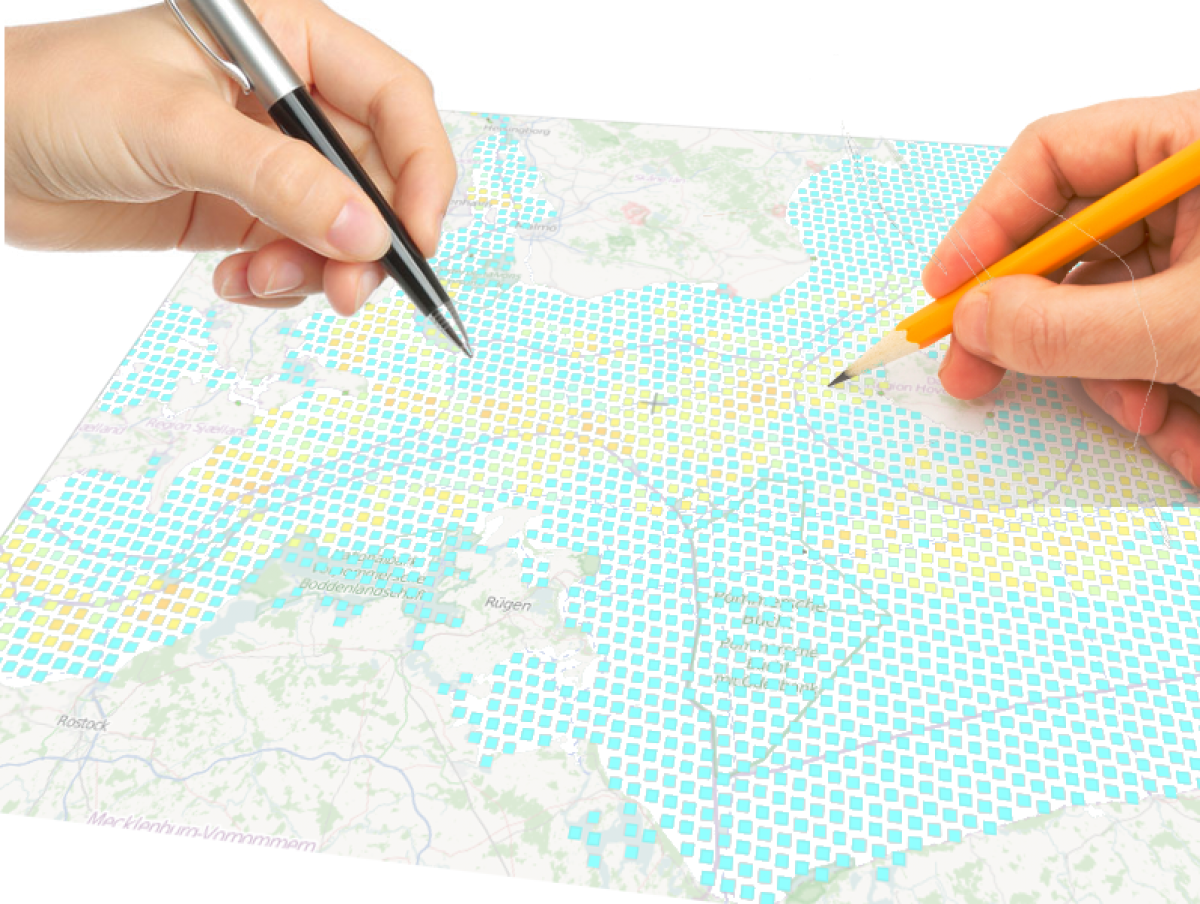
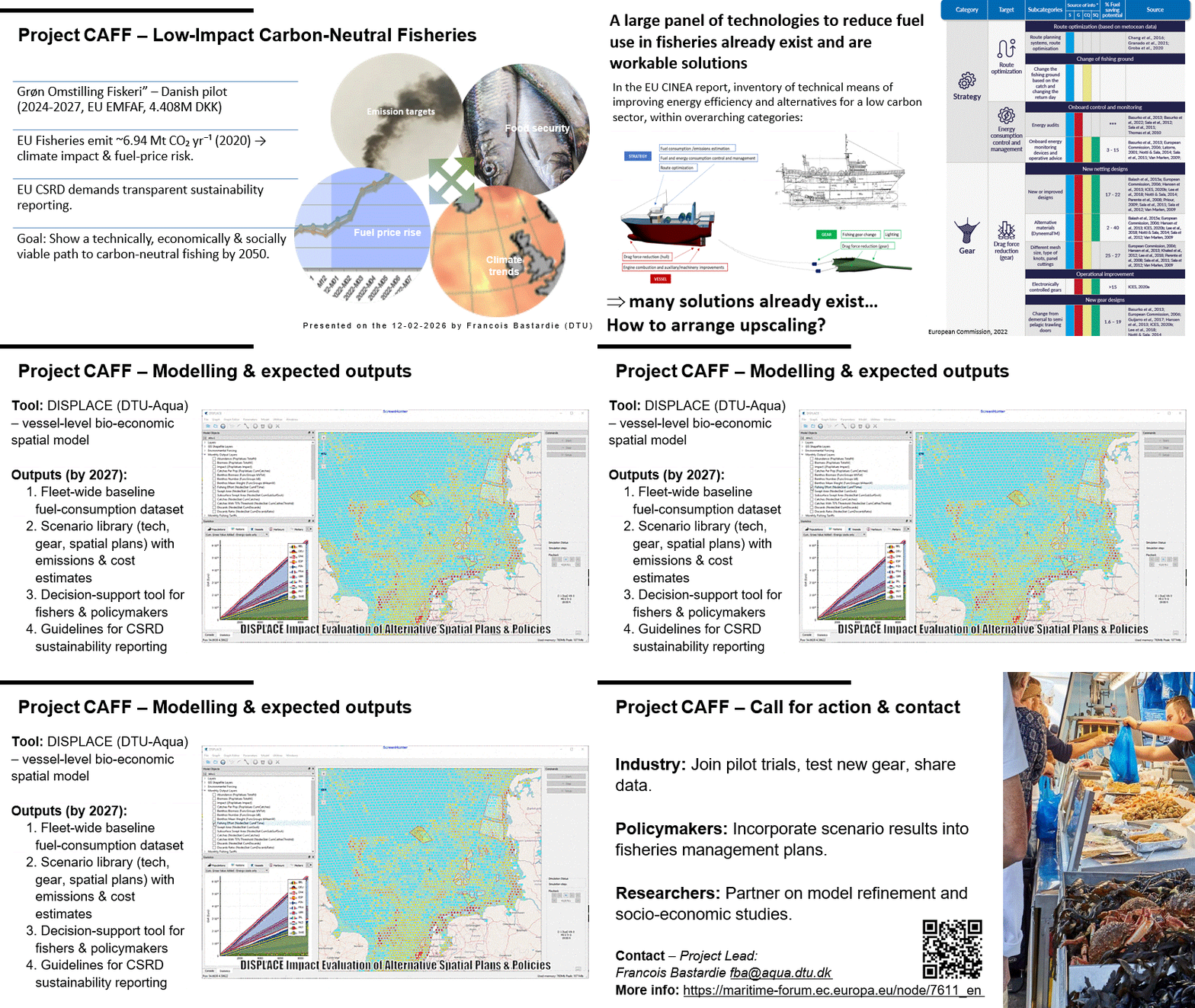
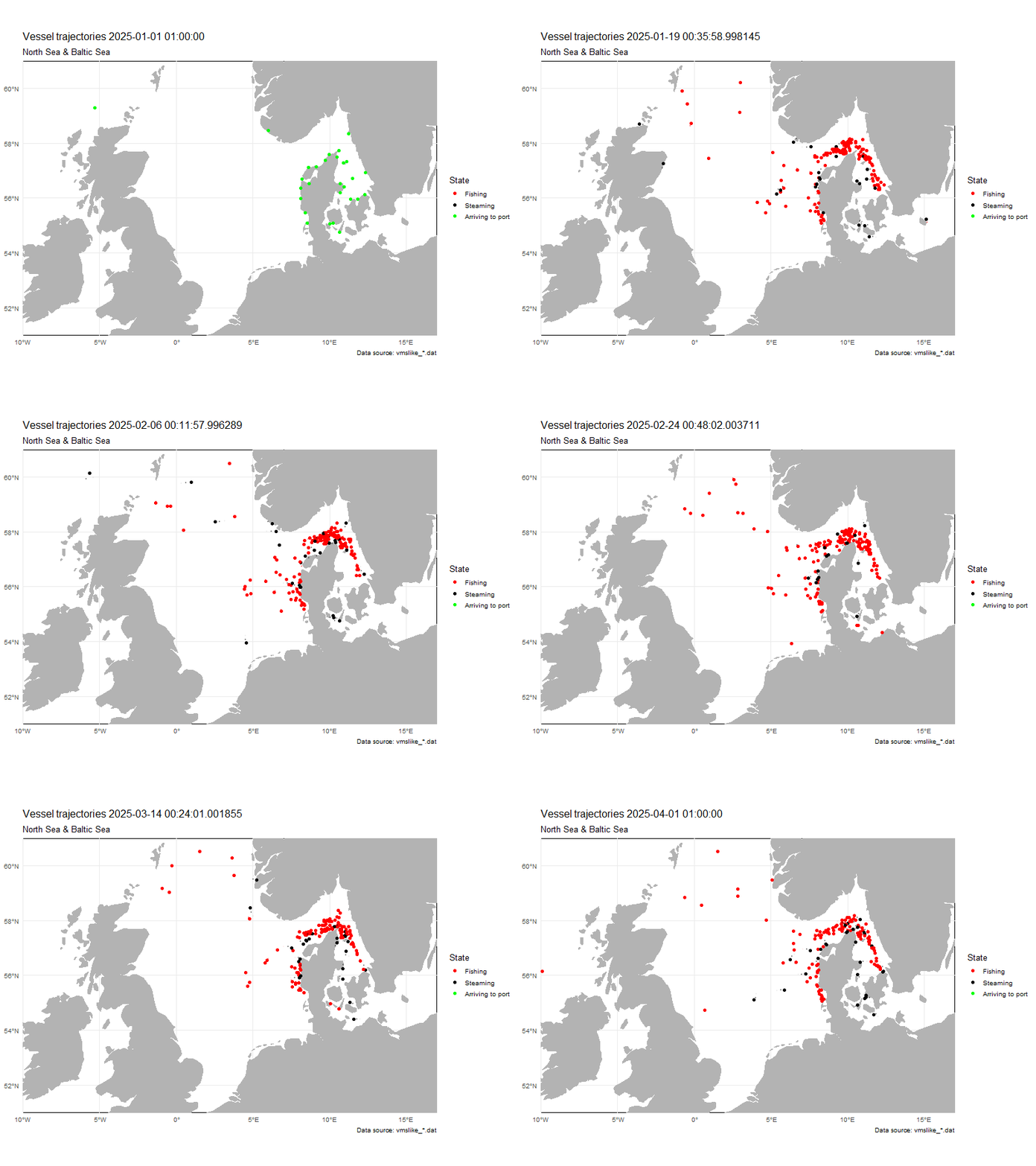
We intend to support the fishery sector and the policymakers with a benchmark tool for efficiently evaluating alternative scenarios in individual decision making, by designing decision trees to model when, where, how, and for how long they go fishing.
Continue reading “How individual fishermen´s micro-decision-making affects the overall performance of fisheries”